
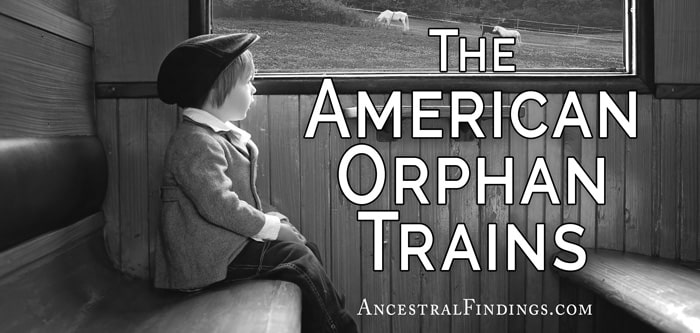
The orphan train movement in America was a unique experiment in child welfare. Back in the mid-1800’s, there were not a lot of options for poor, homeless, abused, and/or neglected children other than orphanages or alms houses. The issue of these types of children was especially noticeable in New York City, where there were estimates of over 30,000 children living on the streets in the 1850’s. These children often lived in groups and were susceptible to disease and abuse from strangers. Many of them looked for ways to make a little money by selling match sticks, rags, and other small items. Others turned to crime. Police had no idea what to do with these children when they were caught stealing food or other items they needed to get by on the streets, so they put them in jail. While they were housed and fed in jail, they were also kept with the adult prisoners, which was not always a good situation for the children, especially since children as young as five years old were sometimes jailed with violent adult criminals.


